
How to Smoke Your First Brisket
Somewhere in the middle of your first brisket cook, the thermometer is going to sit on the same number long enough for you to wonder if the batteries are dead. Before you start digging through the junk drawer, take a look at the meat.
See that dark crust forming on the outside? That’s the bark, and it’ll tell you when to wrap. Later, the way your thermometer probe slides into the beef will tell you when it’s ready to come off the smoker. Get a feel for those two things and you’re well on your way to a damn good brisket.
What you’ll need
- 1 whole packer brisket, about 12–14 pounds before trimming
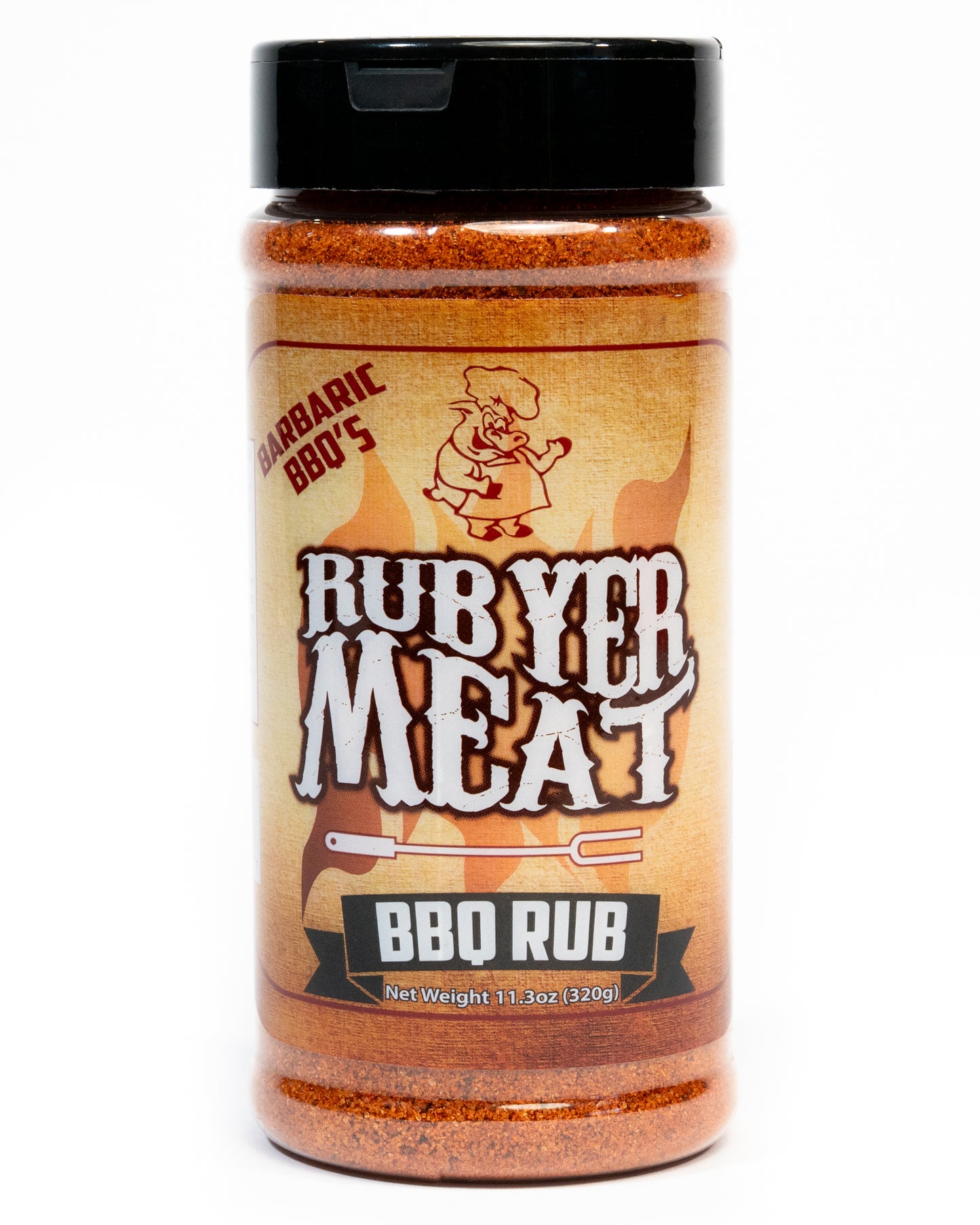
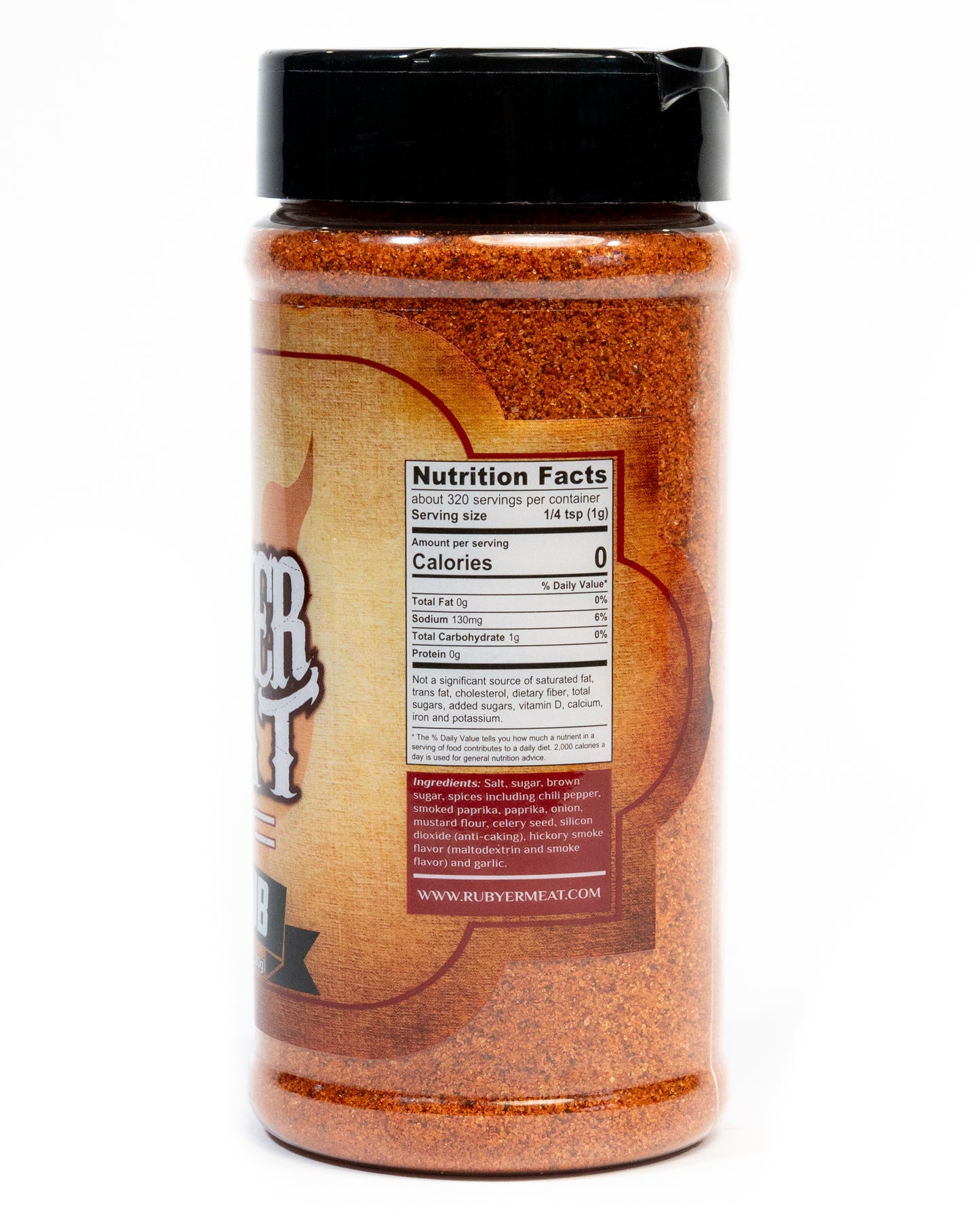
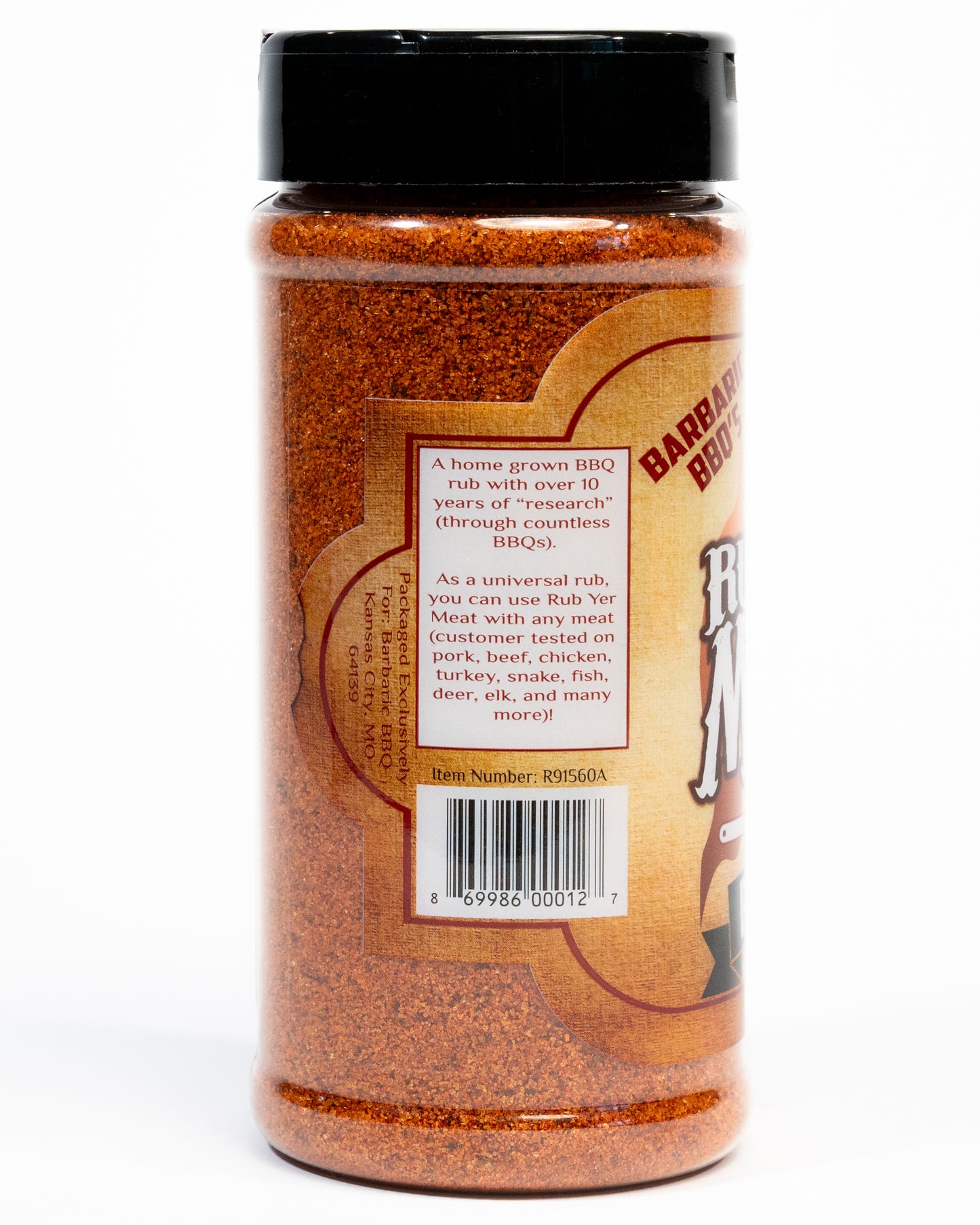
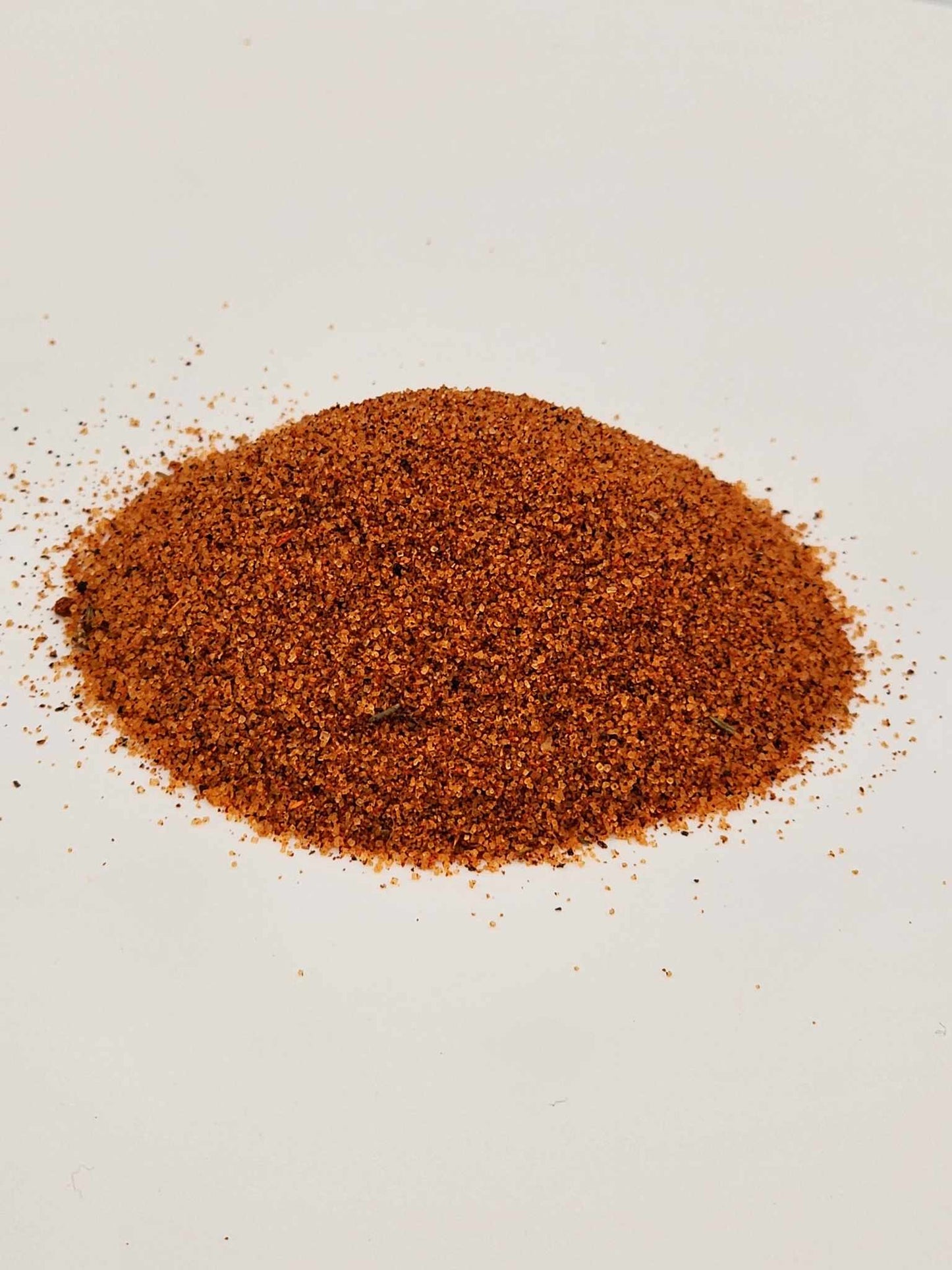
- About ⅓ cup Rub Yer Meat BBQ Rub, or enough to coat all sides evenly
- 1–2 tablespoons yellow mustard or Worcestershire sauce, if you want a binder
- Heavy-duty aluminum foil or unwaxed, food-grade butcher paper
- An instant-read meat thermometer
For a brisket this size, budget roughly 10–16 hours on the smoker at 250°F, plus about an hour to rest. Give yourself some breathing room if you’re having people over. Two briskets that weigh the same can have very different opinions about when dinner ought to be.
Step 1. Trim the brisket
A whole packer brisket has two muscles. The flat is the long, lean section that gives you those neat slices. The point is the thicker, fattier hump at one end. Before you season it, take a look at which way the muscle fibers run in the flat. That’s the grain. It’ll be harder to see once you’ve got a dark bark on there, so snap a quick picture if it helps.
Trim the brisket while it’s cold and the fat is firm enough to cut cleanly. Trim the layer of fat on top to about ¼ inch thick. Shave off any hard knobs of fat and thin flaps of meat that could burn during the cook. Leave the flat and point attached.

Step 2. Season it and let the rub stick
If you like using a binder, spread a thin coat of yellow mustard or Worcestershire sauce over the brisket. Either one gives the seasoning something to grab onto.
You can usually skip the binder if you let the brisket sit for at least 20 minutes after seasoning. Give both sides and all the edges an even coat of Rub Yer Meat BBQ Rub. Gently press it in with your palm, then set the brisket on a tray in the fridge while the smoker comes up to 250°F. As a little moisture comes to the surface, you’ll see the rub go from dry and dusty to dark and tacky. That’s what you want.
Step 3. Smoke until the bark is set
Place the brisket on the smoker over indirect heat. If one end of your smoker runs hotter, aim the thicker point toward that end. Close the lid and keep the smoker at 250°F for the entire cook.
After a few hours, the brisket’s internal temperature may barely move for a while. That’s called the stall. It happens as moisture evaporates from the surface. Keep the smoker steady and give the bark time to develop.
Wrap when the bark is set. Look for a deep mahogany crust, then gently brush a small spot with a gloved fingertip. If the seasoning smears and leaves a bare streak, close the lid and let it keep smoking. When you like the color and the crust stays put when you touch it, it’s time to wrap.

Step 4. Choose your brisket wrap
Heavy-duty foil
Set the brisket on two overlapping sheets of heavy-duty foil, bring the foil up around the meat, and fold the seams closed. Foil is easy to work with, catches the juices, and usually gives you the quickest finish of the three options. The downside is that it traps steam, which softens the bark you just spent hours building.
Butcher paper
Lay the brisket on two overlapping sheets of unwaxed, food-grade butcher paper. Roll it up snugly, tucking the sides in as you go, and put it back on the grate seam-side down. Paper lets some steam escape, so the bark stays firmer than it does in foil. The cook usually takes a little longer, and juice-soaked paper can tear. Support the brisket from underneath when you lift it.
Foil boat
Set the brisket fat-side up on two sheets of heavy-duty foil. Bring the foil up around the bottom and sides and crimp it snugly against the meat. Leave the top exposed. The boat catches drippings underneath while the bark on top keeps getting darker and firmer. The trade-off is a slower finish than a sealed foil wrap, and the bark on the bottom will soften where it sits in the juices.
Whichever method you choose, return the brisket to the smoker and keep it cooking at 250°F.

Step 5. Pull the brisket when it’s probe tender
Once the thickest part of the flat reaches about 195°F internally, start checking for tenderness. Many briskets finish around 200–205°F, but yours may be ready a little earlier or later.
Here’s what “probe tender” feels like. Slide the tip of your thermometer into two or three spots in the thickest part of the flat. Aim for the lean meat. The fat seam between the flat and point can feel soft even while the flat is still tough.
When the brisket is ready, the probe slides in and back out with about as much resistance as you’d feel pushing it into softened butter. If the thermometer says 203°F and the meat still grabs the probe, give it another 20–30 minutes and check again. If it glides through the flat in several spots at 198°F, go ahead and pull it.

Step 6. Rest, slice, and claim the end piece
Set the brisket on a rimmed tray. Open the wrap for a few minutes to let the heavy steam escape, then loosely cover the meat and rest it for about an hour. If you need to hold it longer before dinner, use a warm oven and check that the brisket stays at or above 140°F until you’re ready to serve.
Remember those fibers you looked at before seasoning? Cut across them, making slices about a pencil’s width thick. When you reach the point, the grain changes direction. Turn that piece so your knife keeps cutting across the fibers. Slice what you’re serving and leave the rest whole until somebody comes back for seconds.